Rice libanês Pilaf

Lebanese Rice Pilaf

Servings

4

Prep Time

10 minutes

Cook Time

20 minutes

Calories

210

Cuisine

Lebanese

Category

Side Dish

Lebanese Rice Pilaf is a quintessential dish that reflects the heart and soul of Lebanese cuisine. This dish combines the delicate texture of long grain rice with the nutty flavor of toasted vermicelli noodles, creating a harmonious blend that is both simple and sophisticated. 


The process begins with thoroughly rinsing the rice to remove excess starch, ensuring that every grain cooks to a light and fluffy perfection. In a sturdy saucepan, butter is melted and used to toast the broken vermicelli until it achieves a gorgeous golden hue, releasing an aroma that hints at the depth of flavor to come. Once the rice is added, it soaks up the buttery essence and the toasted notes from the vermicelli. 


When the chicken broth is poured in and the mixture brought to a gentle boil, the flavors meld together beautifully, with a subtle suggestion of ground allspice adding an extra layer of warmth. After simmering until tender, the rice is allowed to rest, ensuring that the steam finishes the cooking process and every grain is perfectly separated.


In the vibrant culinary landscape of Lebanon, rice is more than just a side dish—it is a celebration of tradition and hospitality. Whether served as an accompaniment to succulent grilled meats, tender kebabs, or hearty stews, Lebanese Rice Pilaf offers a taste of home and a touch of elegance. 


The final flourish of toasted pine nuts and a sprinkle of fresh parsley not only elevates the presentation but also adds a delightful crunch and burst of color. 


This versatile dish is ideal for family gatherings, festive occasions, or a simple yet satisfying meal at home. Its ease of preparation and comforting flavors make it a beloved staple that invites you to explore the rich heritage of Lebanese cuisine with every bite.

Lebanese Rice Pilaf

Ingredients

  • 1 cup long grain rice (such as basmati)

  • 1/2 cup broken vermicelli noodles

  • 2 tablespoons butter

  • 2 cups chicken broth (or water for a lighter version)

  • Salt, to taste

  • 1/4 teaspoon ground allspice (optional)

  • 2 tablespoons toasted pine nuts (for garnish)

  • 2 tablespoons chopped fresh parsley (for garnish)

Directions

  1. Rinse the rice under cold water until the water runs clear. Drain well.

  2. In a medium saucepan, melt the butter over medium heat. Add the broken vermicelli noodles and sauté until they turn a beautiful golden brown, stirring frequently to avoid burning.

  3. Stir in the rinsed rice and cook for an additional 1-2 minutes, allowing the rice to become coated in the butter and toasted vermicelli.

  4. Pour in the chicken broth and season with salt (and ground allspice, if using). Bring the mixture to a boil.

  5. Once boiling, reduce the heat to low, cover the saucepan, and let it simmer for 15-20 minutes, or until the rice is tender and the liquid is fully absorbed.

  6. Remove the pan from heat and allow the rice to stand, covered, for 5 minutes. Fluff the rice gently with a fork.

  7. Garnish with toasted pine nuts and chopped parsley before serving.

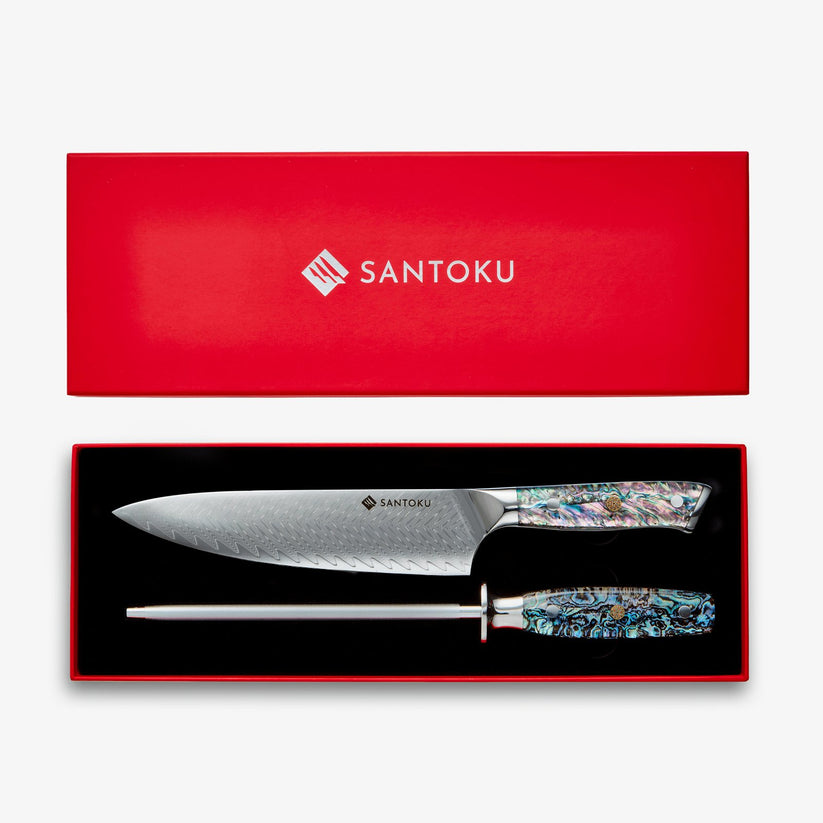
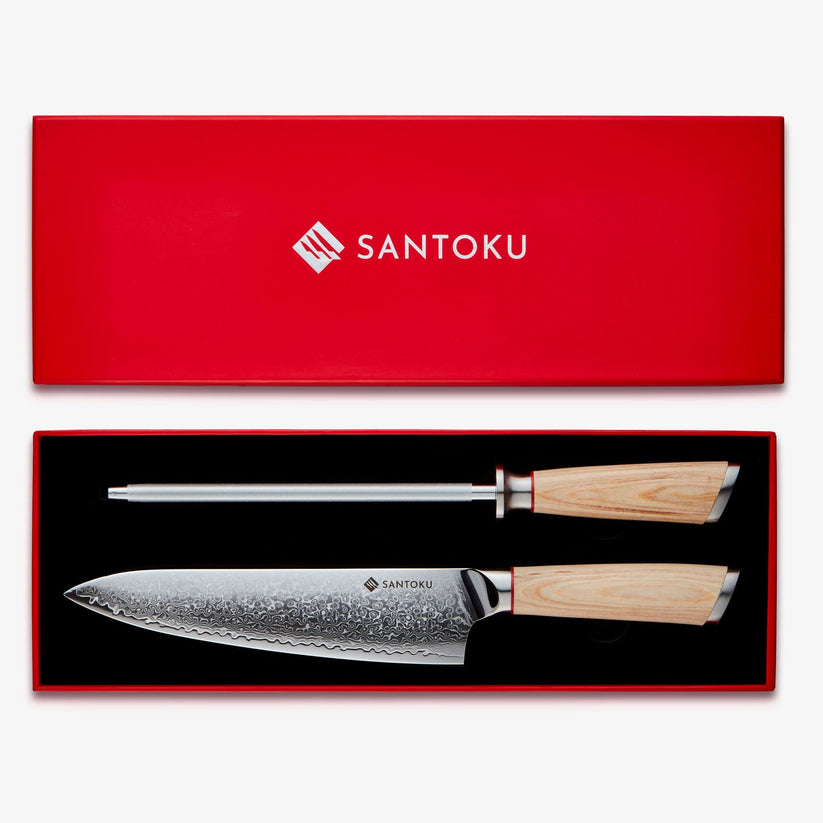
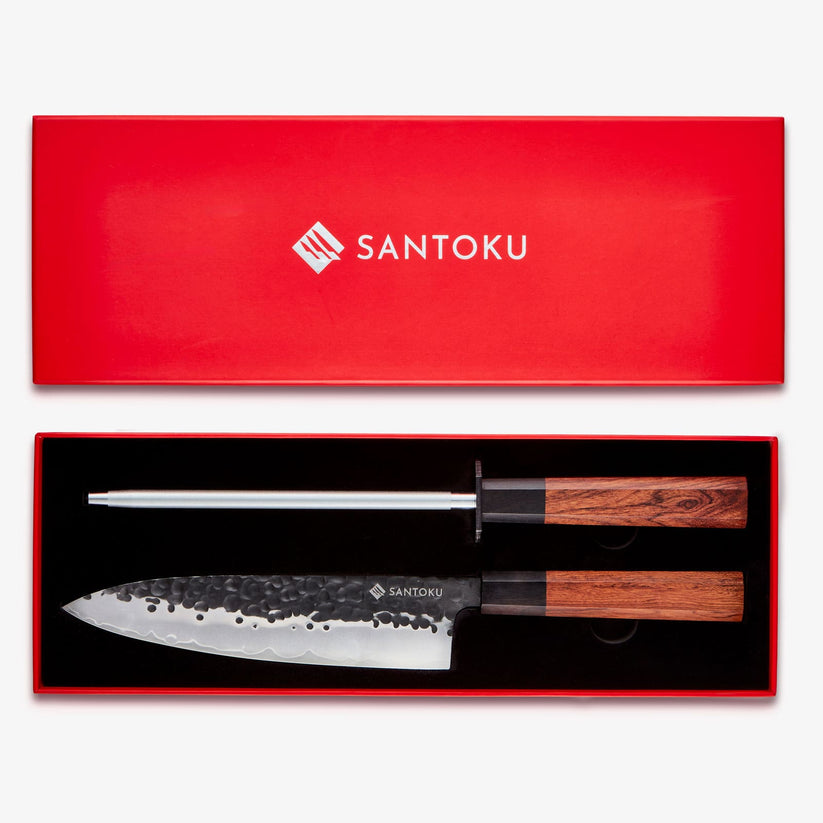
Upgrade Your Kitchen Tools

Make recipe prep easier with professional-grade knives

Browse Collection

10 dicas ao cozinhar o arroz libanês pilaf:

  1. Enxágue o arroz bem para remover o excesso de amido para grãos mais fofos.
  2. Brinde o macarrão aletmicelli na manteiga até que giram um rico marrom dourado.
  3. Use uma panela de fundo pesado para garantir a distribuição uniforme do calor.
  4. Meça o líquido com precisão para obter a textura perfeita do arroz.
  5. Opte pelo caldo de galinha para adicionar um sabor ou água robusta para um sabor mais claro.
  6. Mantenha uma fervura suave para evitar queimar e grudar.
  7. Deixe o arroz descansar após cozinhar para permitir que os sabores se fundem.
  8. Mexa delicadamente ao afogar para evitar quebrar os grãos de arroz.
  9. Torda pinhões de pinheiros separadamente para alcançar um acabamento parecido e dourado.
  10. Ajuste o sal e as especiarias opcionais para se adequar à sua preferência de sabor.


Sirva com sugestões:

  • Sirva o arroz libanês Pilaf como prato para complementar carnes grelhadas, kebabs ou ensopados saudáveis.
  • Ele também combina lindamente com uma salada fresca, hummus ou tabbouleh, tornando -o uma adição versátil a qualquer banquete do Oriente Médio.
  • Para uma refeição completa, considere servi -la ao lado de legumes assados ​​ou pão pita quente.


FAQs

P: Posso usar água em vez de caldo de galinha para o arroz libanês pilaf?
UM: Sim, a água pode ser usada, embora o caldo de frango forneça um sabor mais rico e robusto.

P: O arroz libanês PILAF é adequado para veganos?
UM: Absolutamente! Simplesmente substitua a manteiga por azeite e use caldo de legumes no lugar de caldo de galinha.

P: Como faço para impedir que os vermicelli queimem enquanto brindam?
UM: Mexa continuamente em fogo médio e monitore de perto até que o macarrão fique dourado.

P: Posso adicionar especiarias adicionais ao arroz libanês PILAF para melhorar o sabor?
UM: Sim, você pode experimentar especiarias como cominho ou açafrão para uma reviravolta única.

P: Que tipo de arroz funciona melhor para o arroz libanês PILAF?
UM: Arroz de grãos longos como o Basmati é ideal para alcançar uma textura leve e macia.

P: Quanto tempo devo deixar o arroz descansar depois de cozinhar?
UM: Deixe descansar, coberto, por cerca de 5 minutos antes de afastar.

P: Posso preparar o arroz libanês pilaf antes do tempo?
UM: Sim, você pode fazê -lo com antecedência e reaquecê -lo suavemente no fogão.

P: O arroz libanês é livre de glúten?
UM: Sim, desde que todos os ingredientes sejam sem glúten, este prato é naturalmente sem glúten.

P: Como faço para torrar corretamente os pinhões para enfeitar?
UM: Tosada-os em uma panela seca em fogo médio, mexendo frequentemente até ficarem dourados.

P: Quais pratos combinam bem com o arroz libanês PILAF?
UM: Combina maravilhosamente com carnes grelhadas, kebabs, ensopados e vários pratos do Oriente Médio.


Chef's Recommendation

"A sharp knife is your best friend in the kitchen. For recipes like this, I always reach for my Chikashi chef knife - it gives me the control and precision I need for perfect results every time."
Chef's Note: A sharp knife not only makes prep work faster but also safer - dull knives require more pressure and are more likely to slip.

Discover why our Japanese-style knife sets are trusted by home cooks and professionals alike.

Shop Professional Knives →
De volta ao blog