Creme coagulado em inglês tradicional para scones e chá

Traditional English Clotted Cream for Cones and Tea

Servings

1 cup

Prep Time

5 minutes

Cook Time

12 hours

Calories

110

Cuisine

British

Category

Condiment

Clotted cream is one of Britain’s most treasured culinary delicacies — a luxuriously thick, buttery cream traditionally served with scones and strawberry jam during afternoon tea. 


Unlike whipped cream or butter, clotted cream is made by gently baking full-fat cream until it forms a luscious, golden crust and ultra-rich consistency. The process is slow and delicate, yielding a decadently smooth texture with a slightly nutty flavour. One spoonful and you’ll understand why it has captivated generations of cream tea lovers across the UK and beyond.


This homemade version captures the authenticity of English countryside tea rooms without the need for imported specialty products. Whether you’re preparing for a formal gathering or treating yourself to a quiet afternoon moment, clotted cream adds pure indulgence to the experience. Spread it over warm, fluffy scones, serve it with fruit compote, or even enjoy it as a dessert topping — its rich profile complements both sweet and subtly savoury elements. 


If you’ve ever longed for that perfectly creamy, old-world touch to elevate your teatime ritual, this recipe will make you a convert.

Traditional English Clotted Cream for Cones and Tea

Ingredients

  • 2 cups heavy cream (not ultra-pasteurised), with at least 36% fat content

Directions

  1. Preheat your oven to 180°F (82°C).

  2. Pour the heavy cream into a shallow, oven-safe dish so that the cream is about 1–2 inches deep.

  3. Place the dish in the oven and let it sit, undisturbed, for 10–12 hours (overnight works perfectly).

  4. After the time is up, carefully remove the dish from the oven and let it cool at room temperature.

  5. Once cooled, cover and refrigerate for at least 8 hours.

  6. Scoop the thickened top layer — this is your clotted cream — into a jar or container. The liquid underneath can be used in baking.

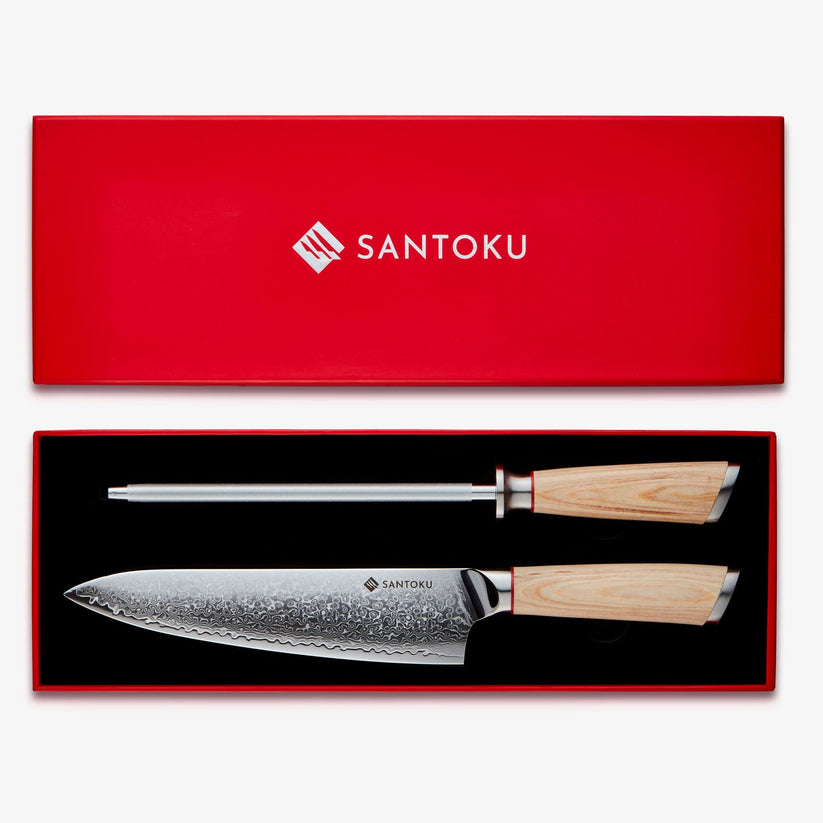
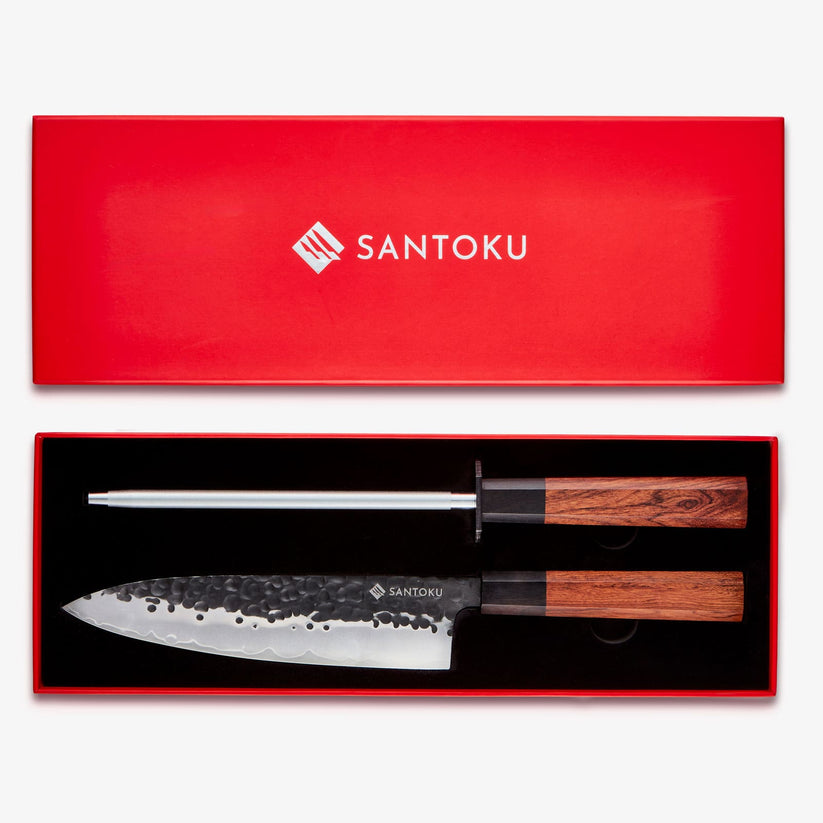
Upgrade Your Kitchen Tools

Make recipe prep easier with professional-grade knives

Browse Collection

10 dicas a serem lembradas ao fazer creme coagulado

Use creme não-tetensão não-ultra-teuzil com pelo menos 36% de gordura para obter melhores resultados.

Um prato raso garante distribuição uniforme de calor.

Mantenha a temperatura do forno baixa e constante - cerca de 82 ° C (cerca de 180 ° F).

Não mexa ou toque o creme enquanto assar.

A crosta dourada no topo é um bom sinal - significa que o creme está coapado corretamente.

Deixe esfriar totalmente à temperatura ambiente antes da refrigeração.

Refrigere -o durante a noite com o melhor espessamento.

Use o líquido restante para panquecas, muffins ou bolos de chá.

O creme de aricamento mantém até 5 a 6 dias refrigerados em uma jarra selada.

Sirva em temperatura ambiente para a textura mais suave e espalhada.


Sirva com sugestões

Scones recém -assados ​​e geléia de morango ou framboesa

Crumppets ou muffins ingleses

Panquecas ou waffles com frutas

Brioche torrado ou croissants

Coalhada de limão, mel ou geléia

Tortas de frutas ou shortcakes

Torta de maçã quente ou sapateiro

Um chá inglês completo espalhado com sanduíches de dedos

Biscoitos ou aveia com geléia

Frutas frescas ou frutas de pedra assada


FAQs

P: Posso usar creme ultra-pasteurizado?
UM: Não é recomendado. O creme ultra-testeurizado não coapota corretamente-sempre use creme de leite com um teor de gordura com alto teor de gordura.

P: Preciso mexer o creme durante o cozimento?
UM: Não, evite mexer para deixar o creme naturalmente separar e engrossar.

P: Qual é a diferença entre creme de leite e chantilly?
UM: O creme de leite é mais denso, mais rico e feito por aquecimento lento, enquanto o chantilly é aerado e mais leve.

P: Quanto tempo dura o creme coagulado?
UM: Ele fica na geladeira por até 6 dias em um recipiente hermético.

P: Posso congelar o creme de leite?
UM: Tecnicamente, sim, mas o congelamento pode afetar a textura. Fresco é o melhor.

P: O creme de leite é o mesmo que o devonshire Cream?
UM: Devonshire Cream é um nome regional para creme de leite feito em Devon. Mesmo conceito, origem diferente.

P: O que posso fazer com o restante do soro?
UM: Use -o em panquecas, muffins ou qualquer receita pedindo leite ou leitelho.

P: Como sei que é feito?
UM: Uma crosta dourada se formará e o creme parecerá espessado e ligeiramente separado por baixo.

P: Posso fazer isso em uma panela lenta?
UM: Sim, defina -o para baixo por 12 horas com a tampa ligeiramente entreaberta. Os resultados podem variar um pouco.

P: Como devo armazená -lo?
UM: Transfira para uma jarra ou recipiente e leve à geladeira. Sirva à temperatura ambiente para obter a melhor textura.


Chef's Recommendation

"A sharp knife is your best friend in the kitchen. For recipes like this, I always reach for my Chikashi chef knife - it gives me the control and precision I need for perfect results every time."
Chef's Note: A sharp knife not only makes prep work faster but also safer - dull knives require more pressure and are more likely to slip.

Discover why our Japanese-style knife sets are trusted by home cooks and professionals alike.

Shop Professional Knives →
De volta ao blog